What tree services do you offer in Parkville?
Are your arborists in Parkville qualified and insured?
Yes. Every job in Parkville is led by an AQF qualified arborist, our team works to Australian Standard AS 4373, and we carry $20 million public liability insurance.
Do I need a council permit to remove a tree in Parkville?
Almost certainly, for any significant tree. Parkville falls under the Melbourne Planning Scheme, which combines heritage overlays, the Significant Tree Register and standard significant tree protections (based on height and trunk girth). Many mature trees in Parkville, particularly elms, planes and ornamental figs, meet one or more of these criteria simultaneously. Our arborists assess your specific tree and property before any work is scoped, so you know exactly what approvals are required.
Can you access rear gardens and laneways in Parkville?
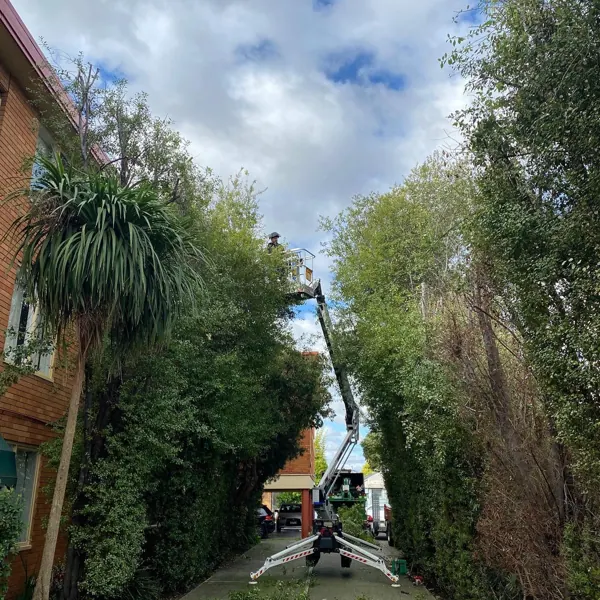
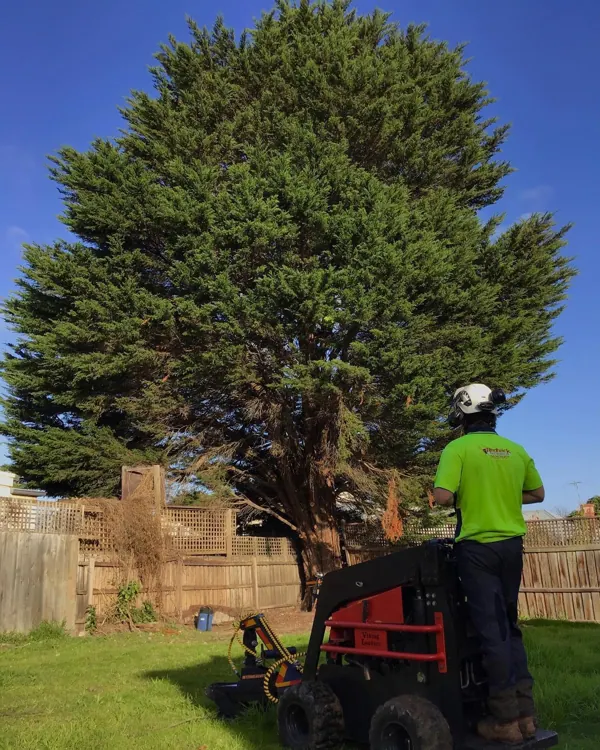
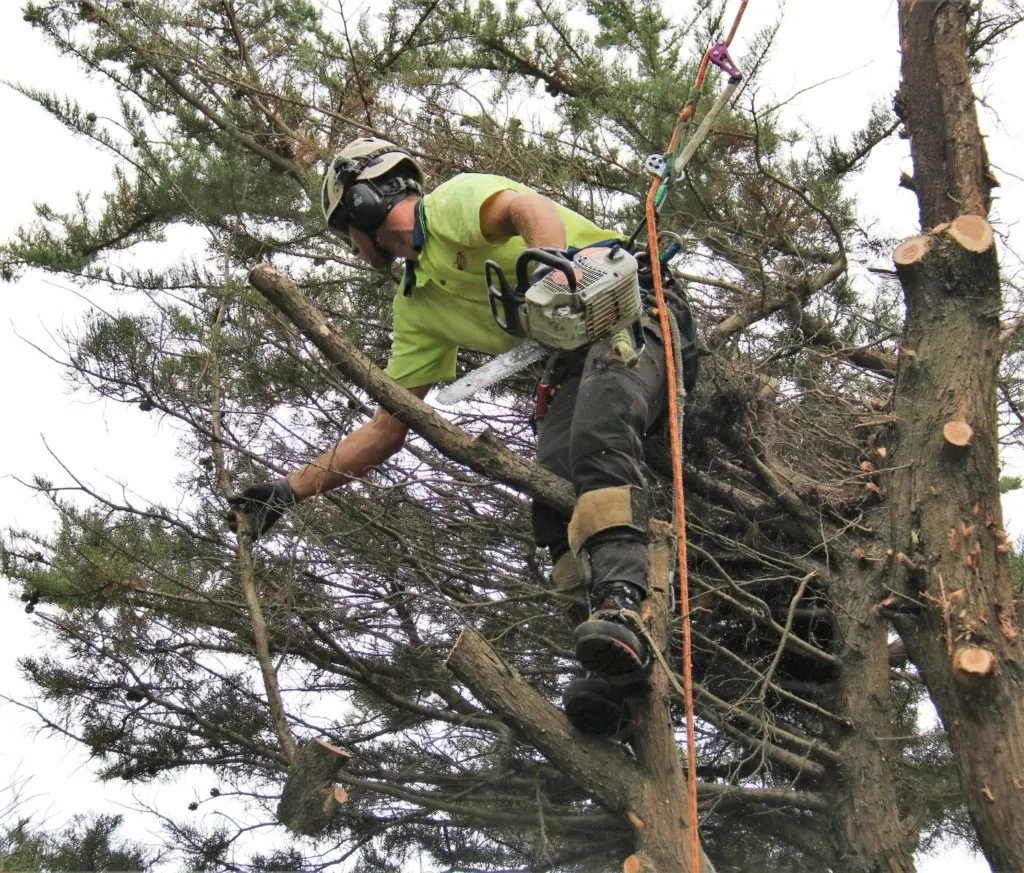
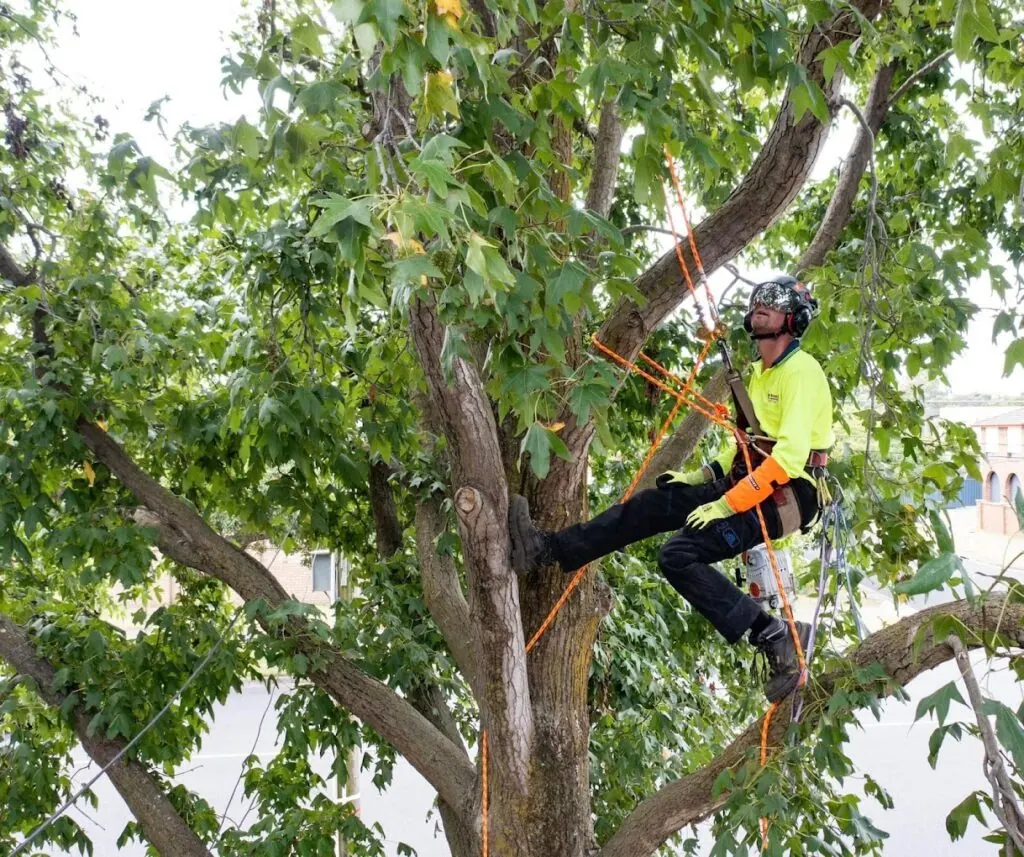
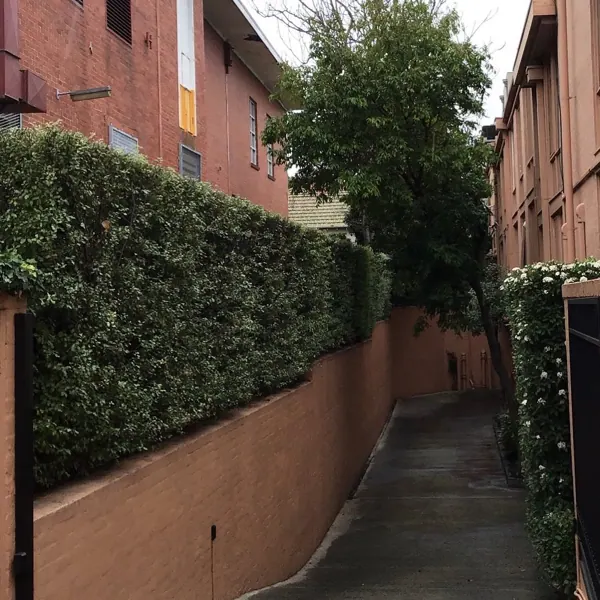
Yes, inner-city access is something we plan for specifically. We carry compact stump grinders rated for standard terrace gate widths, use manual rigging systems for work that can't be reached by machinery, and manage site access around parked cars and pedestrian traffic on Parkville's busy streets. If a job requires special access arrangements, we discuss these at the assessment stage so nothing comes as a surprise on the day.
Are Redback Tree Services insured for heritage property work?
Yes. We carry comprehensive public liability insurance and all arborists hold current AQF qualifications. We can provide proof of insurance before any work commences, and given the risk exposure on heritage properties, we recommend you verify this with any arborist you're considering. Insurance certificates are a straightforward request and a legitimate expectation for inner-city work.
How much does tree removal cost in Parkville?
Inner-city tree removal in Parkville costs more than suburban jobs of equivalent tree size, because the access, proximity to structures and permit requirements add time and skilled labour to most jobs. As a guide: small trees from $500; medium trees from $800; large elms, planes or complex access jobs from $3,000. The only way to give you an accurate price is an on-site assessment, which we provide free of charge and with no obligation anywhere in Parkville.
Do you write arborist reports for Melbourne City Council applications?
Yes. Our lead arborist Nathan Hawes writes reports specifically structured for Melbourne City Council permit applications, covering tree identification, structural and health assessment, risk evaluation, and recommendations in the format Council expects. We've had reports accepted by Melbourne City Council without revision and can prepare documentation for heritage overlay applications, development permit supporting material and insurance purposes.
Do you provide emergency tree response in Parkville?
Yes. We provide 24/7 emergency tree removal response across Parkville and the surrounding inner-north. For storm damage, fallen limbs or trees threatening structures, call03 9988 9175 at any hour. We prioritise inner-city emergency calls where laneway access or occupied adjacent properties create urgent safety considerations.
What happens if my neighbour's tree is the problem?
In Victoria, you have the right to remove branches and roots that encroach onto your property up to the boundary line, without your neighbour's consent, provided it doesn't materially harm the tree. However, in Parkville's heritage overlay areas, even pruning back to a boundary on a significant tree may require a planning permit. We can advise on what applies in your specific situation and provide a written arborist assessment if the matter becomes a dispute.
Which Redback branch looks after Parkville?
Parkville is covered by our Ormond (Bayside) team at Office 2/455 North Rd, Ormond. That team handles quotes, scheduled work and emergency call-outs in the area.
Can you remove a tree close to my house in Parkville?
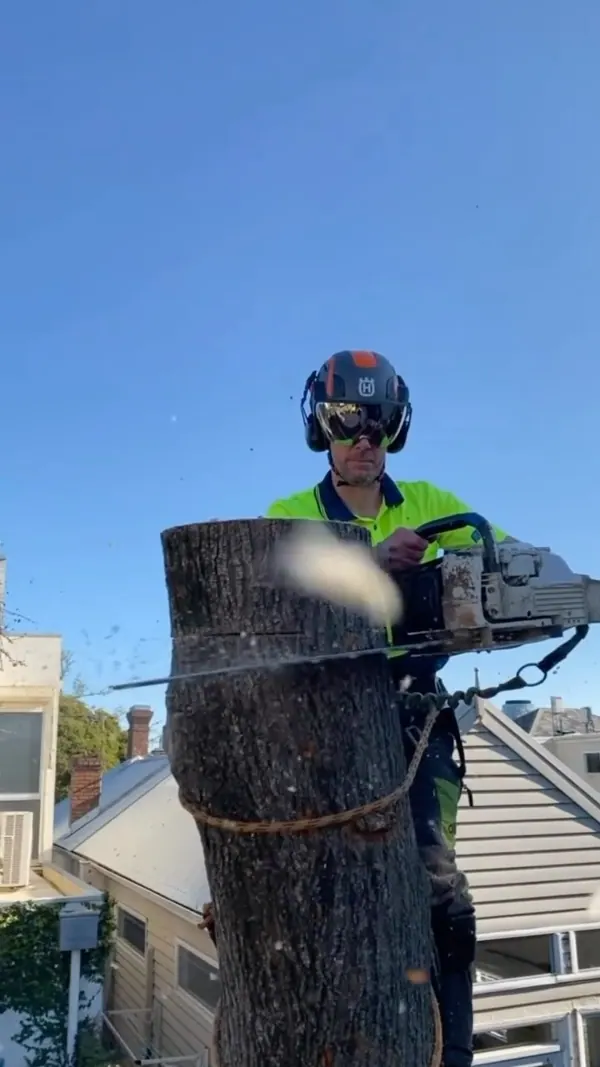
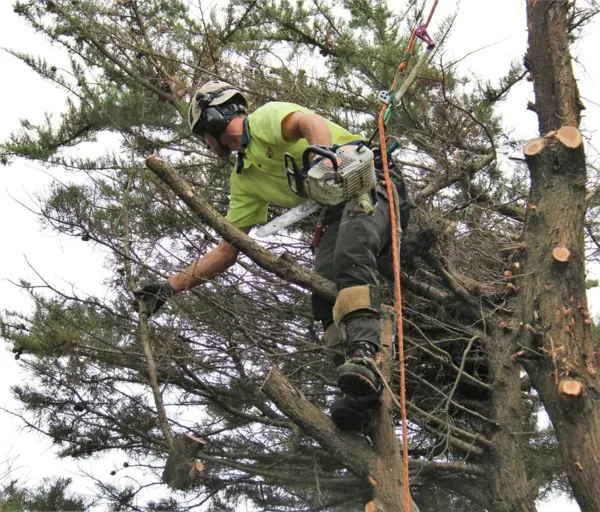
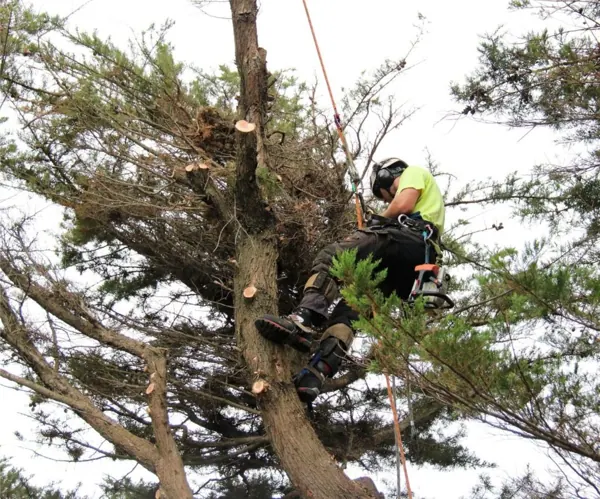
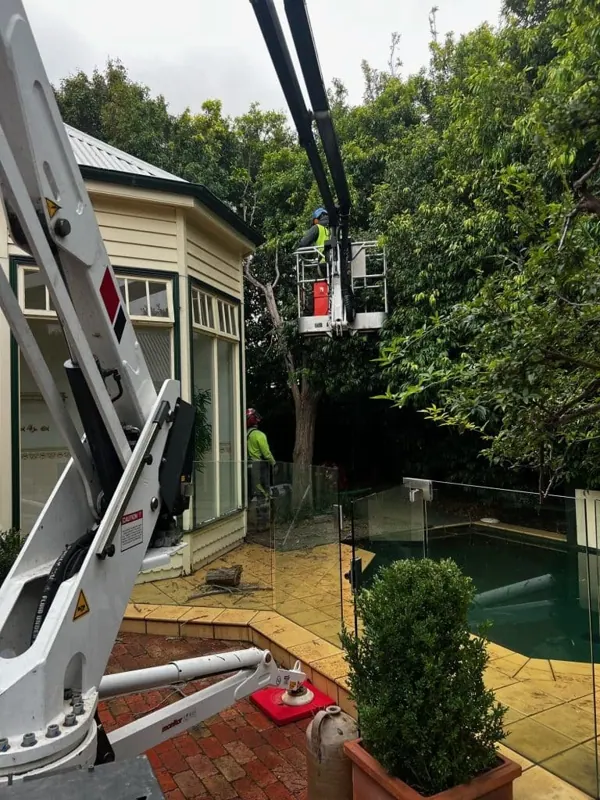
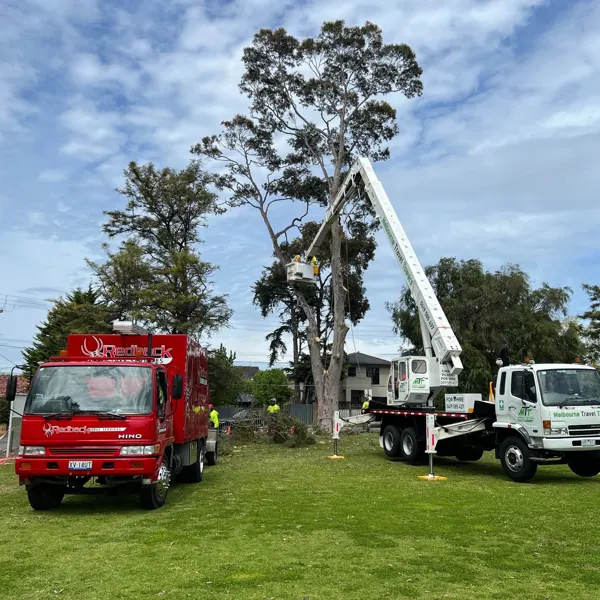
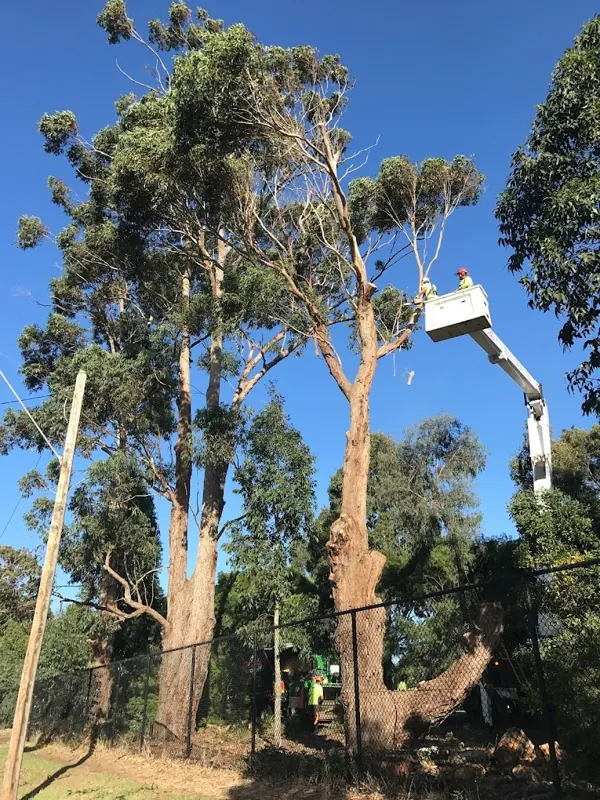
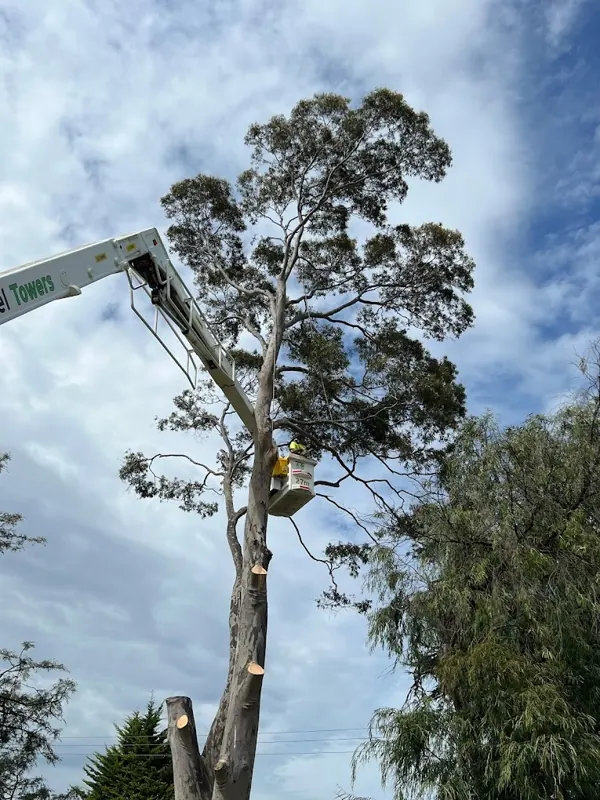
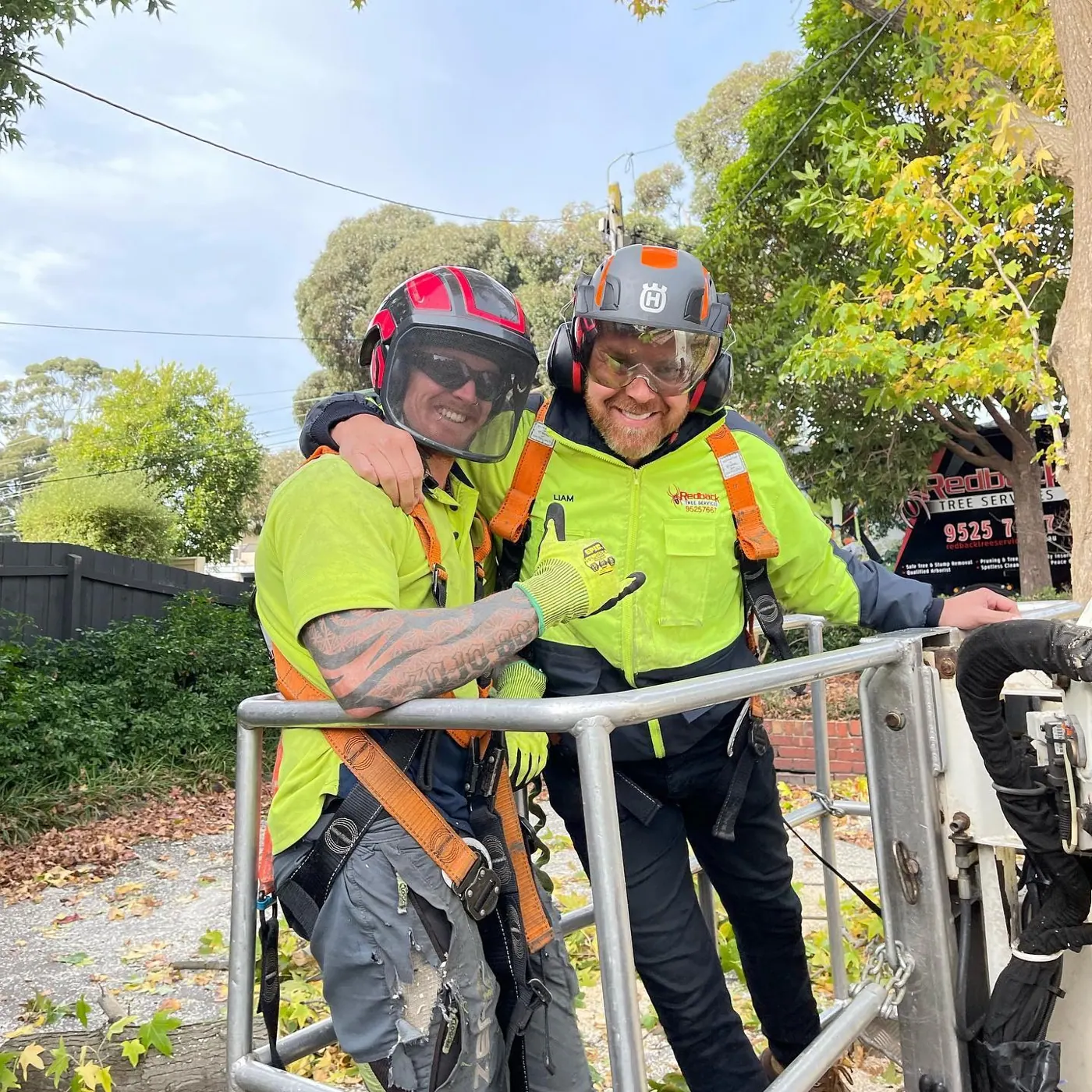
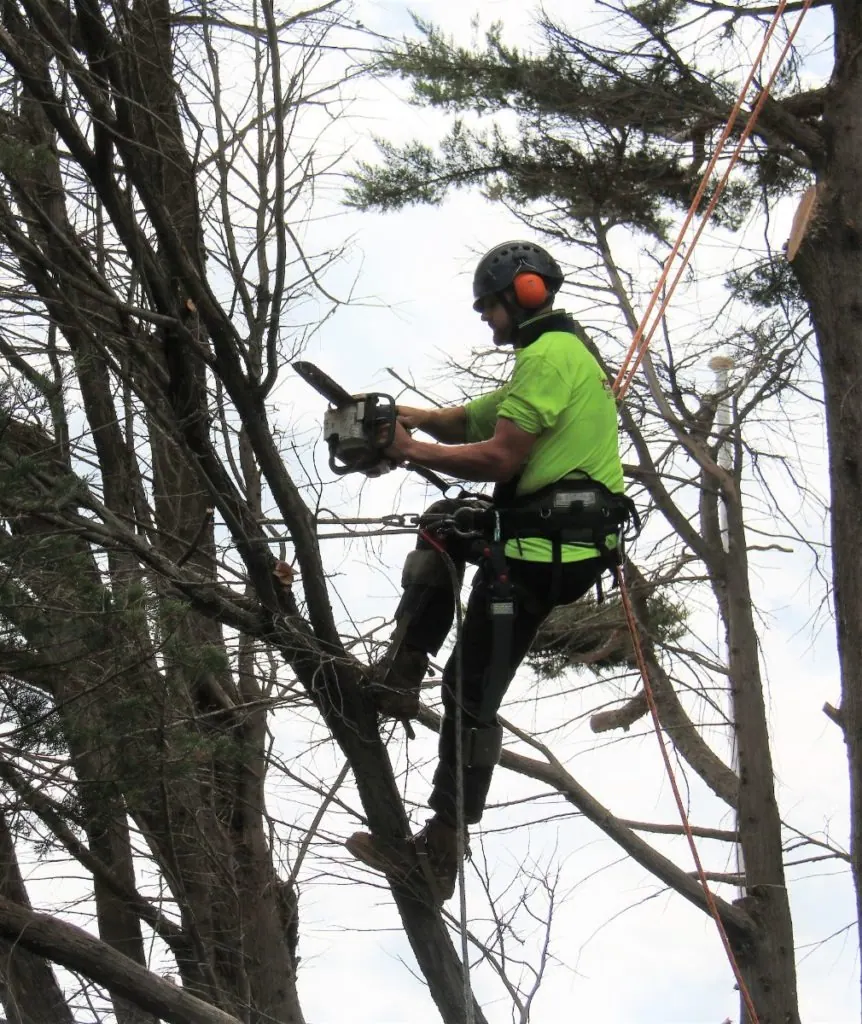
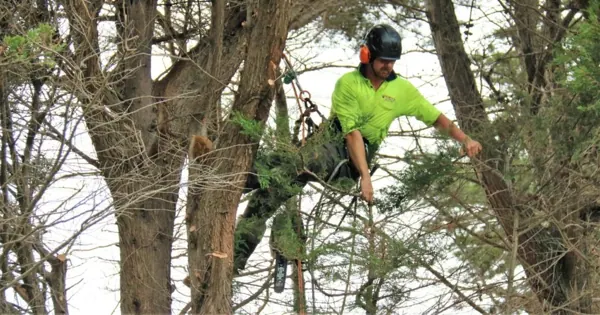
Yes. Trees close to houses in Parkville are taken down in sections, with each piece lowered on ropes so nothing falls on the roof, gutters or fences. Where access allows we use an elevated work platform or a crane.