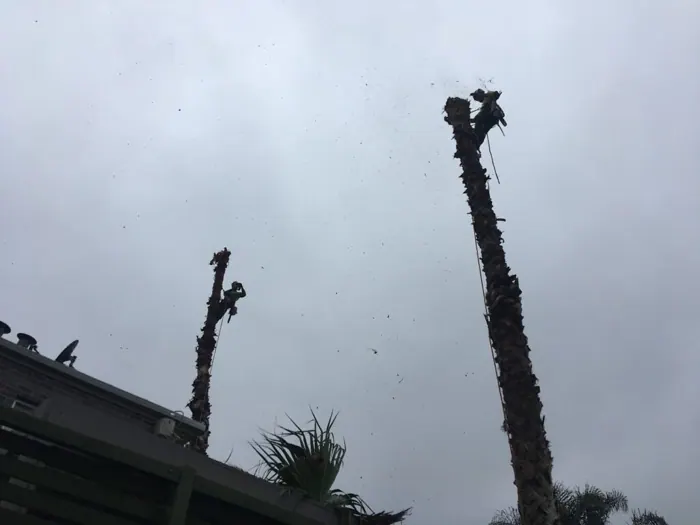
Pruning work we do
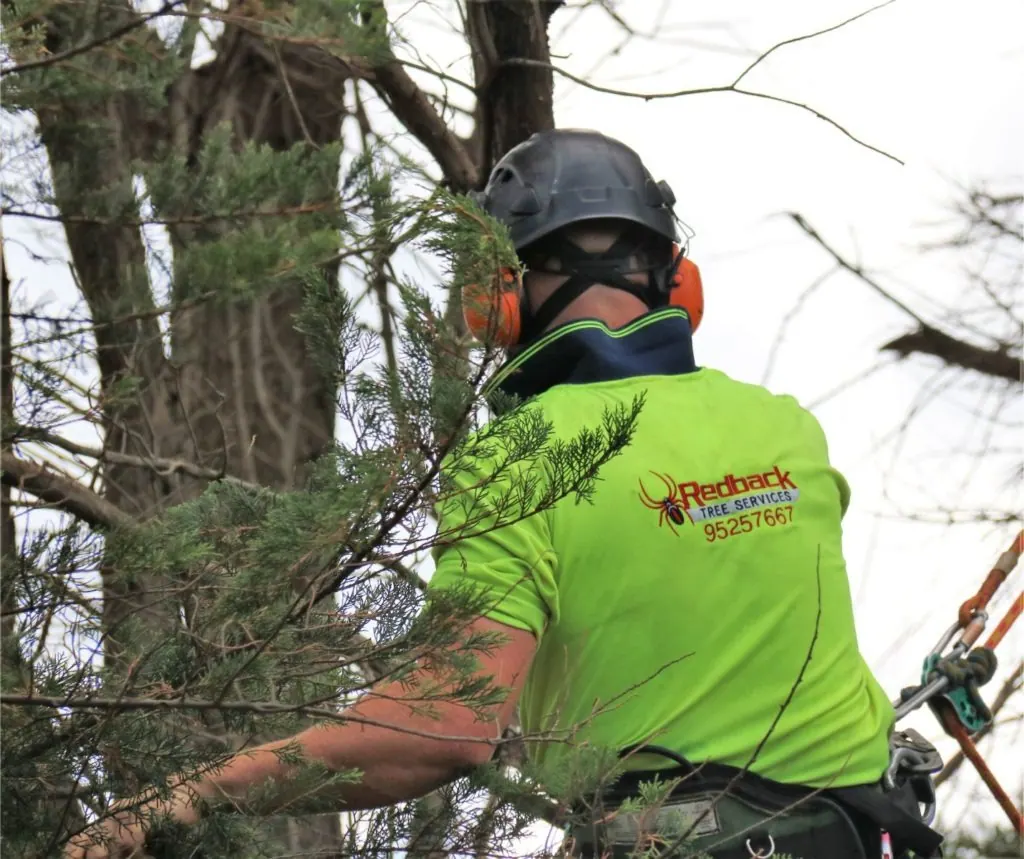
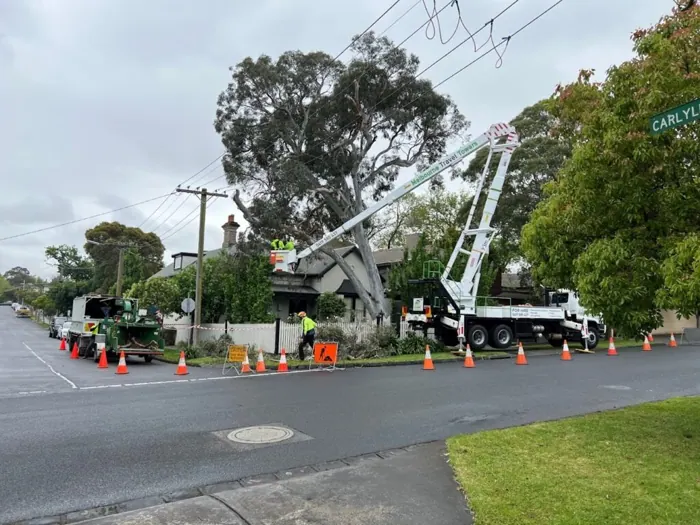
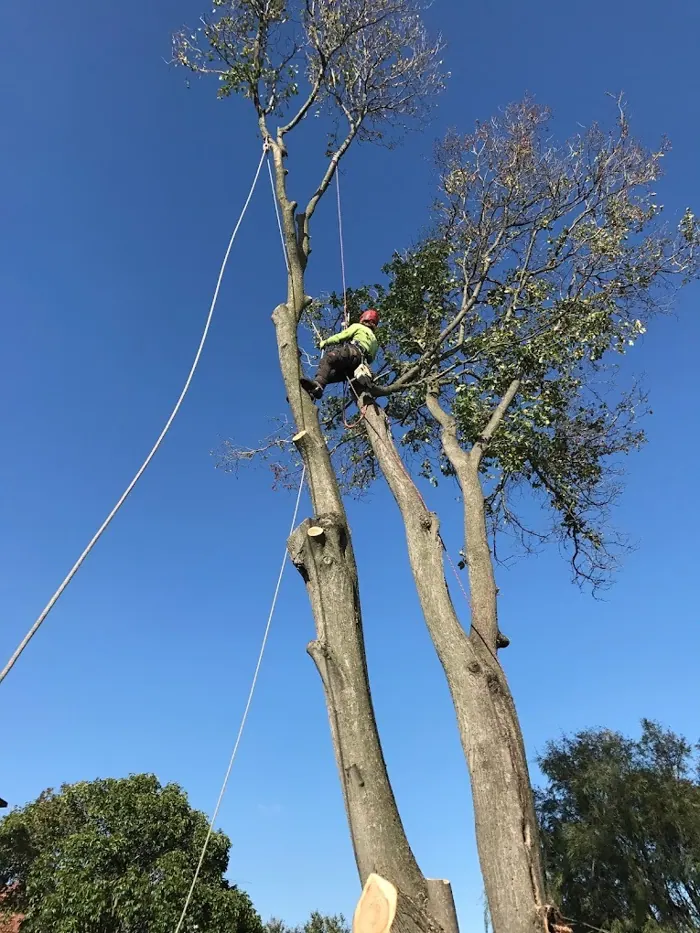
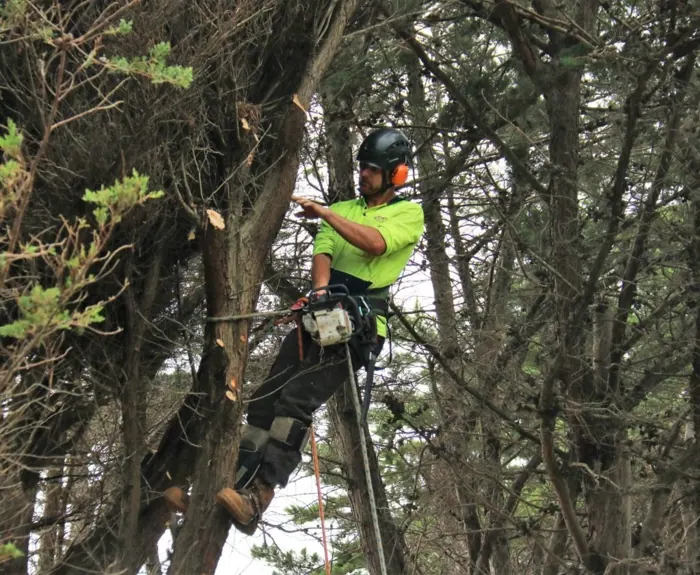
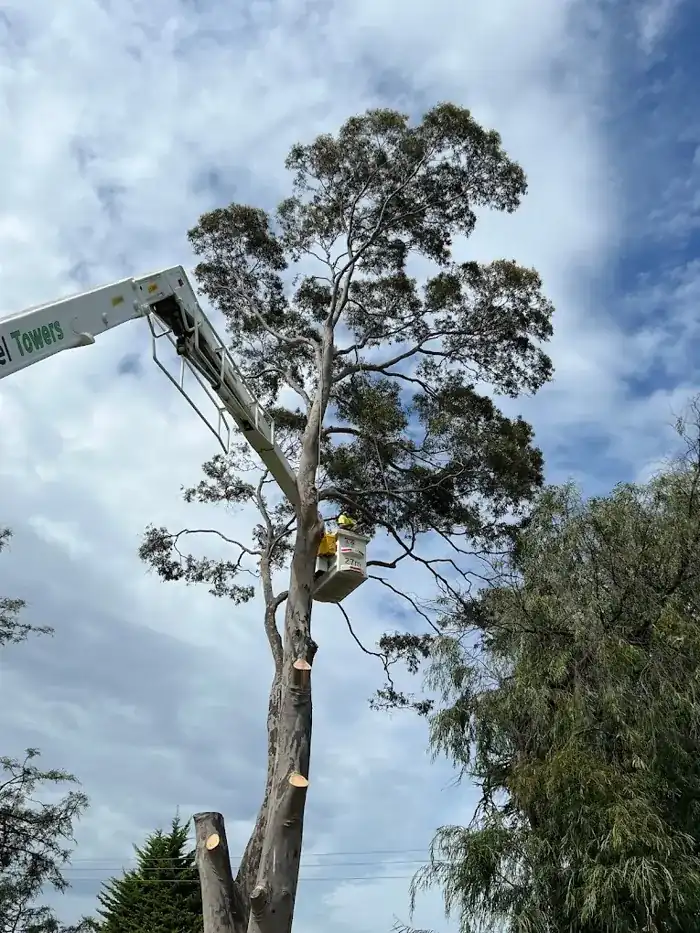
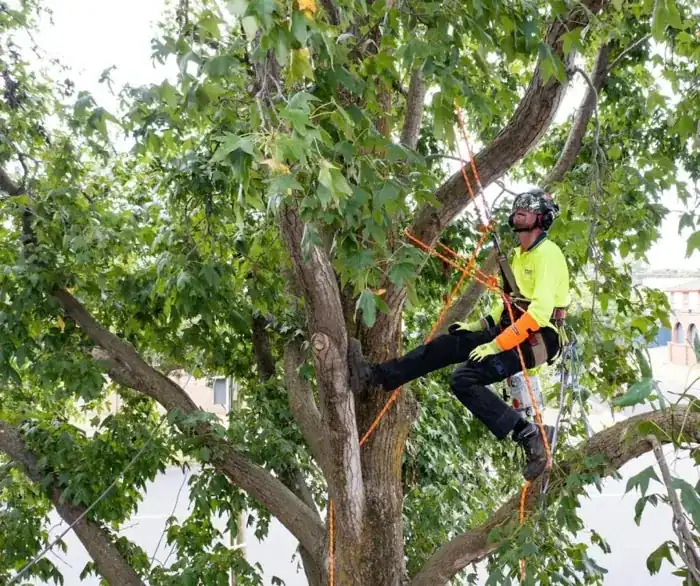
Each tree gets a pruning plan based on its species, age and what you need from it. Usually that is more light, less mess on the roof, clearance from a house or powerlines, or less risk in a storm.
- Crown thinning to let light and wind through the canopy
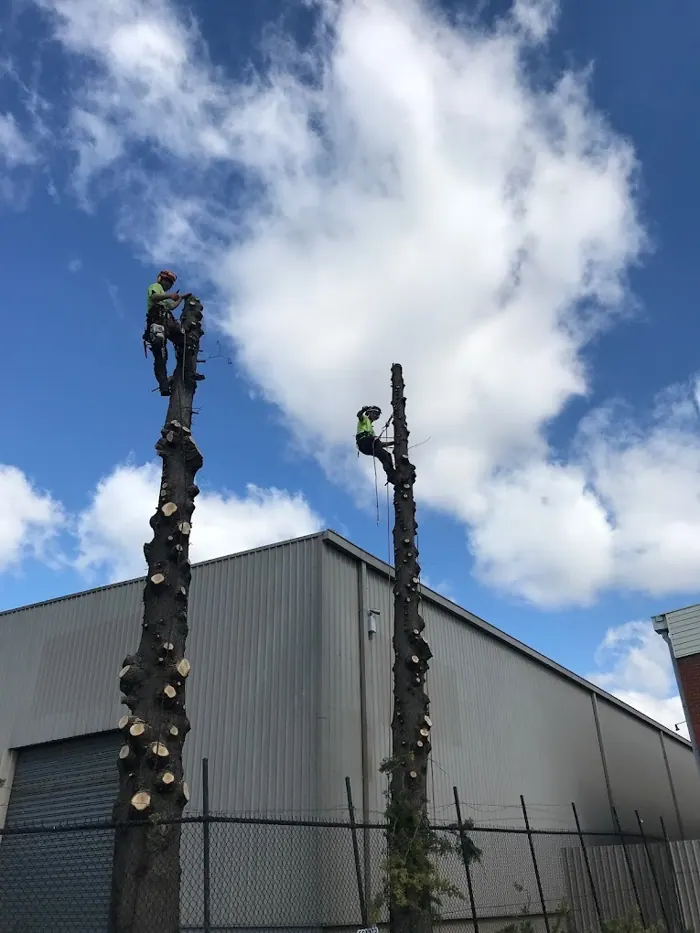
- Crown reduction to bring height or spread back without topping
- Deadwooding to remove dead limbs before they fall
- Crown lifting for clearance over driveways, paths and lawns
- Clearance pruning from roofs, gutters and service lines
- Formative pruning on young trees to set good structure
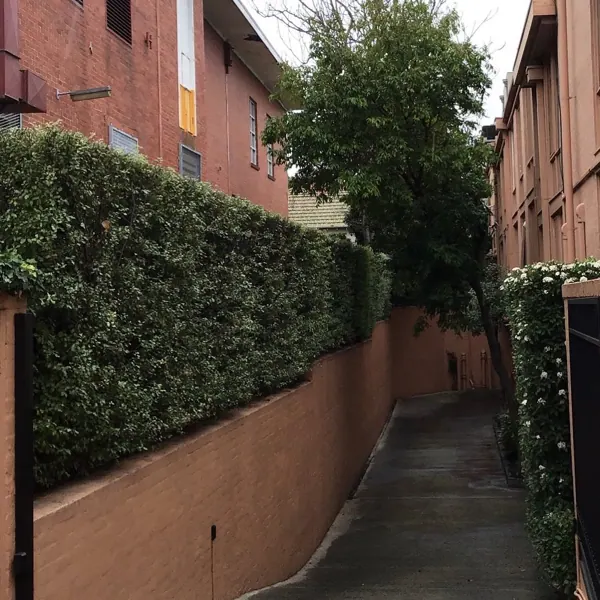
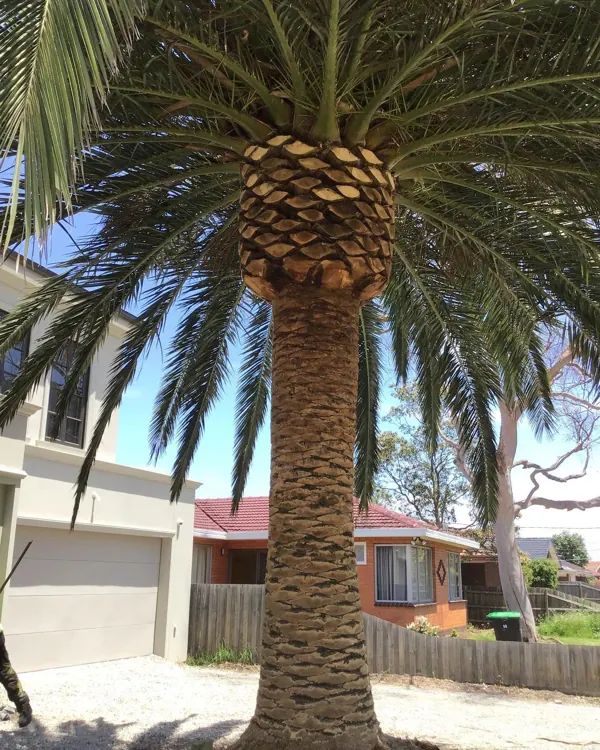
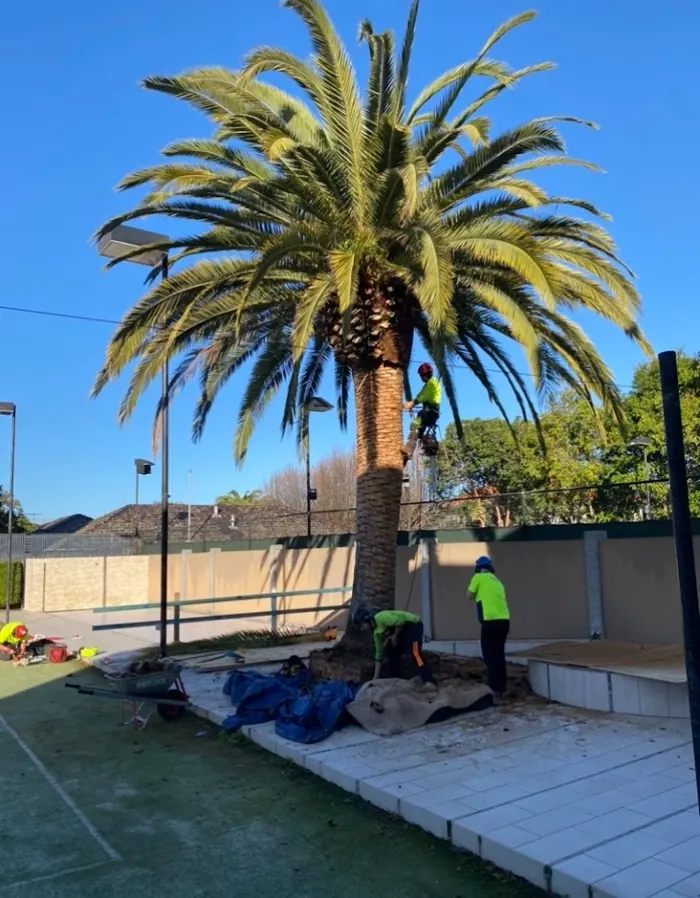
- Palm cleaning and hedge maintenance
Pruning versus lopping
Lopping cuts branches back to stubs. The tree responds with a burst of weakly attached shoots that grow fast and break easily, so the problem comes back worse within a few years. Proper pruning removes branches back to a growth point and keeps the tree's natural shape.
If someone has quoted to lop your tree, ask what cuts they plan to make. Our guide to pruning cuts explains the difference, and our tree lopping and cutting page covers when hard cutting back is reasonable.
Best time to prune in Melbourne
Most deciduous trees are easiest to prune in late autumn and winter when the leaves are off and the structure is easy to see. Many evergreens and natives can be pruned at any time of year. Dead or hanging branches should come out as soon as you notice them. More on this in why winter pruning matters.
Pruning and council rules
Some councils treat heavy pruning of a protected tree the same way they treat removal. As a rough rule, taking more than a third of the canopy or cutting large structural limbs on a protected tree needs approval. We will tell you if your job falls into that category.