

Redback Tree Services in Cranbourne
Welcome to Redback Tree Services, your trusted arborist and tree care experts in Cranbourne. Our comprehensive range of services ensures your trees and property receive the highest quality care. Whether you need tree removal, tree cutting, pruning, stump removal, grinding, or emergency tree removal, we have you covered.
Expert Arborist Services in Cranbourne
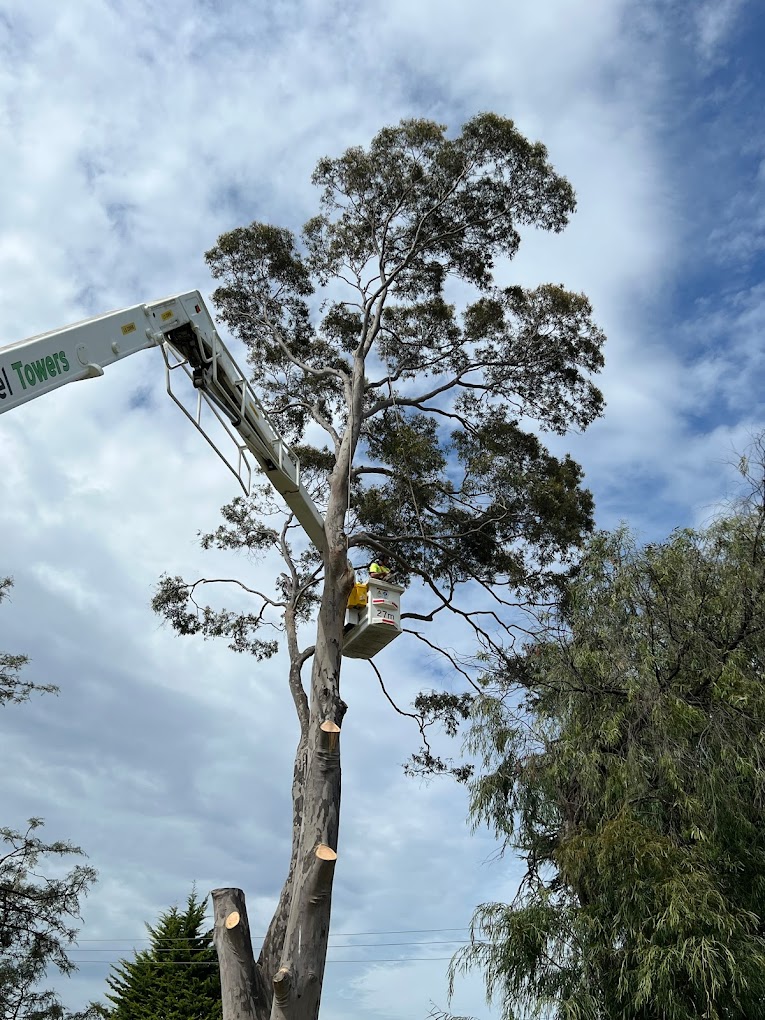
Our certified arborists in Cranbourne are skilled in providing expert tree care. We assess the health and safety of your trees, offering professional advice and solutions tailored to your needs. Our arborists are trained to identify diseases, pest infestations, and structural issues that could compromise the health and safety of your trees. Trust our arborists to maintain the beauty and health of your landscape. We also provide tree planting and species selection advice to ensure your new trees thrive in the local environment.
In addition to health assessments, our arborist services include tree risk assessments, which are crucial for identifying potential hazards that could affect your property and its inhabitants. By analyzing factors such as tree stability, root health, and branch structure, we can recommend proactive measures to mitigate risks and prevent future problems. Our arborists also offer soil testing and remediation services, ensuring that your trees have the optimal growing conditions to flourish. By understanding the specific needs of your trees, we can provide targeted care that promotes their health and longevity.
Our arborist services extend to urban forestry management, where we develop comprehensive plans for maintaining and enhancing green spaces in urban areas. This includes tree inventory and mapping, which help us monitor tree populations and make informed decisions about planting, maintenance, and removal. By working closely with local communities and government agencies, we contribute to the sustainability and beauty of urban landscapes. Trust Redback Tree Services for all your arboricultural needs, and let us help you create a vibrant and healthy environment.
Professional Tree Removal in Cranbourne
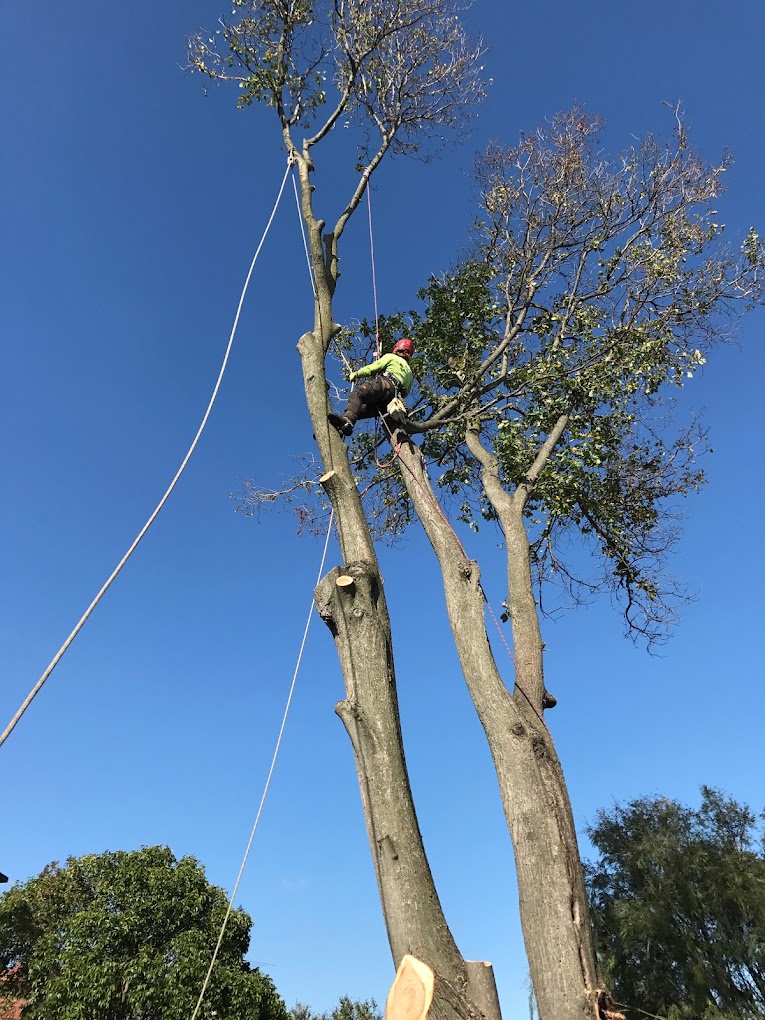
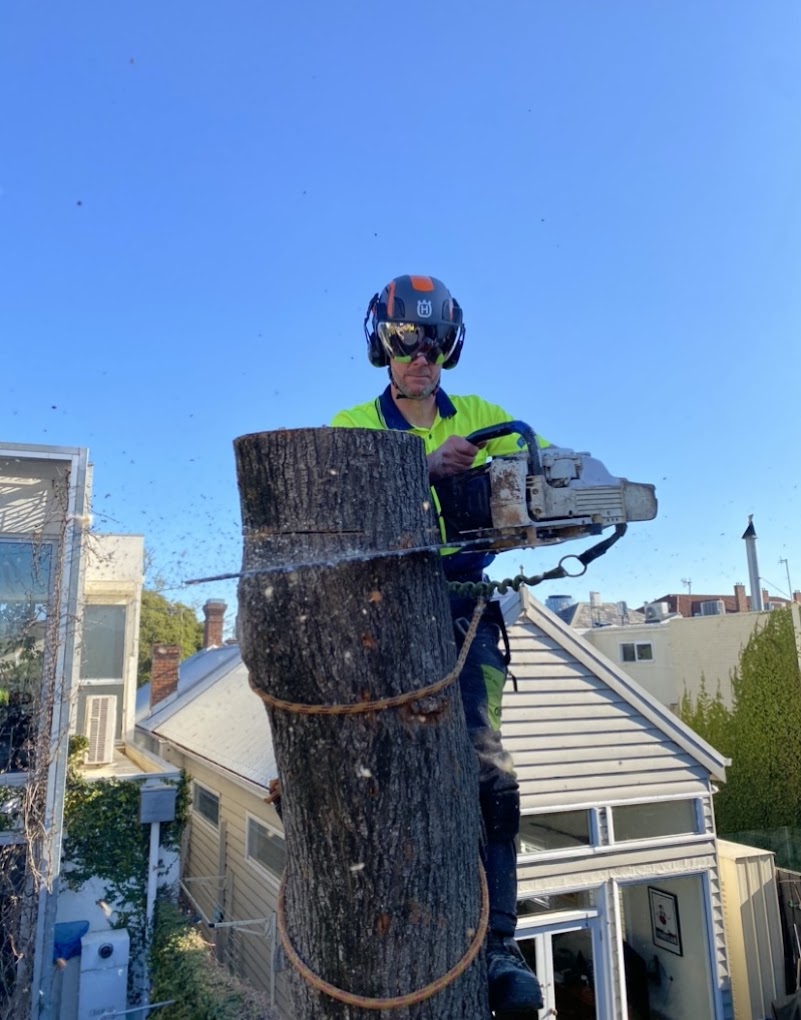
When it comes to tree removal in Cranbourne, our experienced team ensures the safe and efficient removal of unwanted or hazardous trees. Using advanced techniques and equipment, we carefully remove trees without causing damage to your property. Trust Redback Tree Services for reliable tree removal solutions. We handle trees of all sizes and conditions, including those in difficult-to-reach areas or close to structures. Our team also ensures thorough cleanup, leaving your property clean and safe.
Tree removal is a critical service for maintaining the safety and aesthetics of your property. There are several reasons why tree removal may be necessary, including disease, structural instability, and interference with structures or utilities. Our certified arborists conduct thorough assessments to determine the necessity of tree removal and develop a safe and efficient removal plan. We take into consideration factors such as tree size, location, and surrounding structures to minimize risks and ensure a smooth removal process.
Our tree removal services are comprehensive, covering everything from initial assessment to final cleanup. We use state-of-the-art equipment, including cranes, chippers, and stump grinders, to safely and efficiently remove trees of all sizes. Our team is trained in advanced rigging and climbing techniques, allowing us to tackle even the most challenging tree removal projects. We also take care to protect your property during the removal process, using mats and other protective measures to prevent damage to lawns, driveways, and other surfaces.
Safety is our top priority during tree removal. Our team follows strict safety protocols and industry best practices to ensure the well-being of our workers, your property, and the surrounding environment. We are fully insured, providing you with peace of mind knowing that you are protected in the event of any accidents or damages. After the tree removal is complete, we conduct a thorough cleanup, removing all debris and leaving your property looking neat and tidy.
Precise Tree Cutting & Pruning in Cranbourne
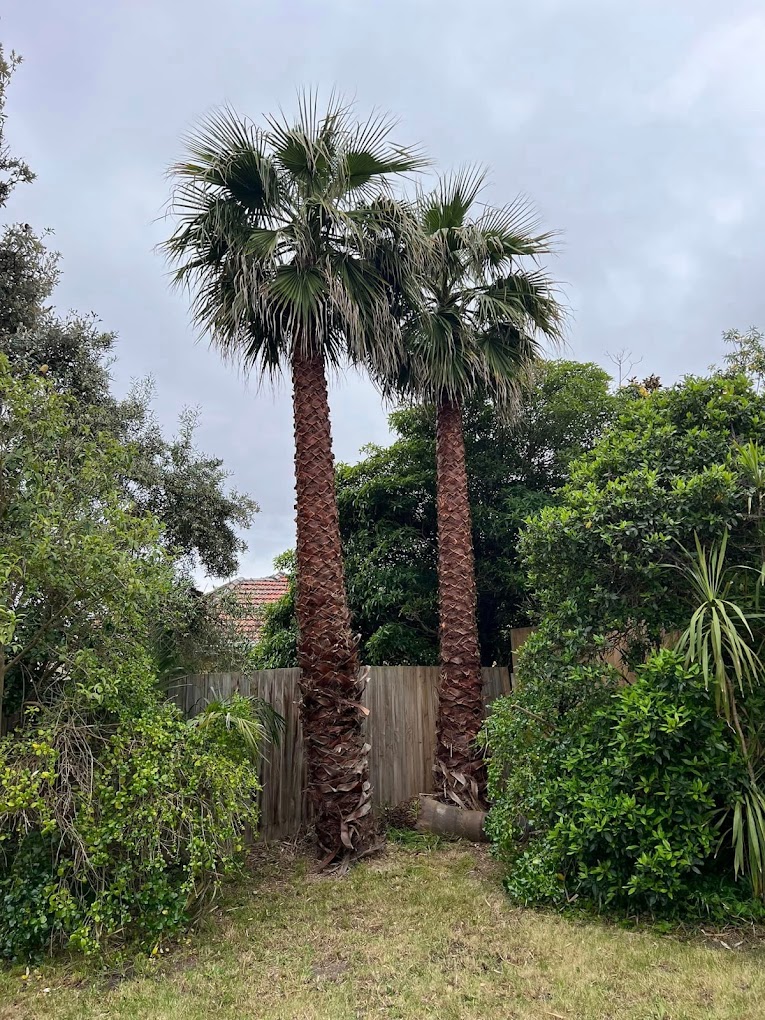
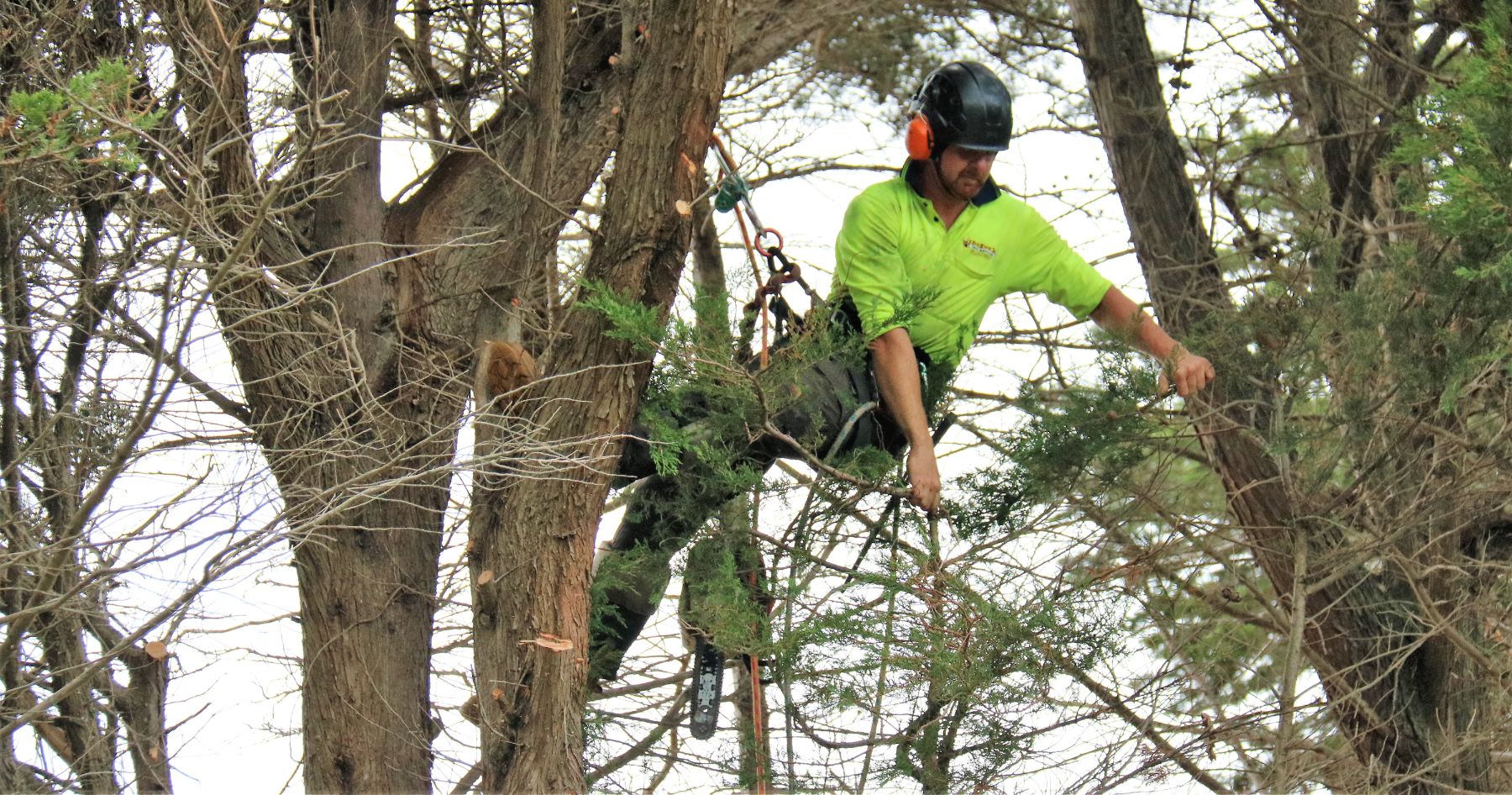
Proper tree cutting and pruning are essential for maintaining the health and appearance of your trees. Our skilled arborists perform precise cutting and pruning to promote healthy growth and enhance the natural beauty of your trees. We ensure that your trees are pruned to perfection, improving their longevity and structure. Our pruning services include crown thinning, reduction, and shaping to ensure your trees are safe, healthy, and visually appealing. We also remove dead, diseased, or crossing branches to prevent future issues.
Tree cutting and pruning are vital for maintaining the structural integrity and health of your trees. Regular pruning helps remove dead or diseased branches, reducing the risk of decay and pest infestations. By removing these problem areas, we enhance the overall health and vitality of your trees. Our arborists are trained in the latest pruning techniques, ensuring precise cuts that promote healthy growth and prevent damage to the tree.
Crown thinning is one of our specialized pruning services, designed to improve air circulation and sunlight penetration throughout the tree. This process involves selectively removing branches from the tree’s canopy, reducing its density without altering its overall shape. Crown thinning helps reduce the risk of storm damage and improves the tree’s ability to withstand strong winds. It also enhances the tree’s aesthetic appeal, creating a more balanced and attractive appearance.
Crown reduction is another important pruning technique that we offer. This involves reducing the overall size of the tree’s canopy to manage its growth and prevent interference with structures or utilities. Crown reduction is particularly useful for large trees in urban environments, where space may be limited. Our arborists carefully remove branches to achieve the desired size and shape, ensuring the tree remains healthy and stable.
Shaping is an essential aspect of tree pruning that enhances the tree’s natural form and beauty. Our arborists use precise cuts to create a well-balanced and aesthetically pleasing shape, promoting healthy growth and improving the tree’s appearance. Shaping is especially important for ornamental trees, which are often pruned for their visual appeal.
Efficient Stump Removal & Grinding in Cranbourne
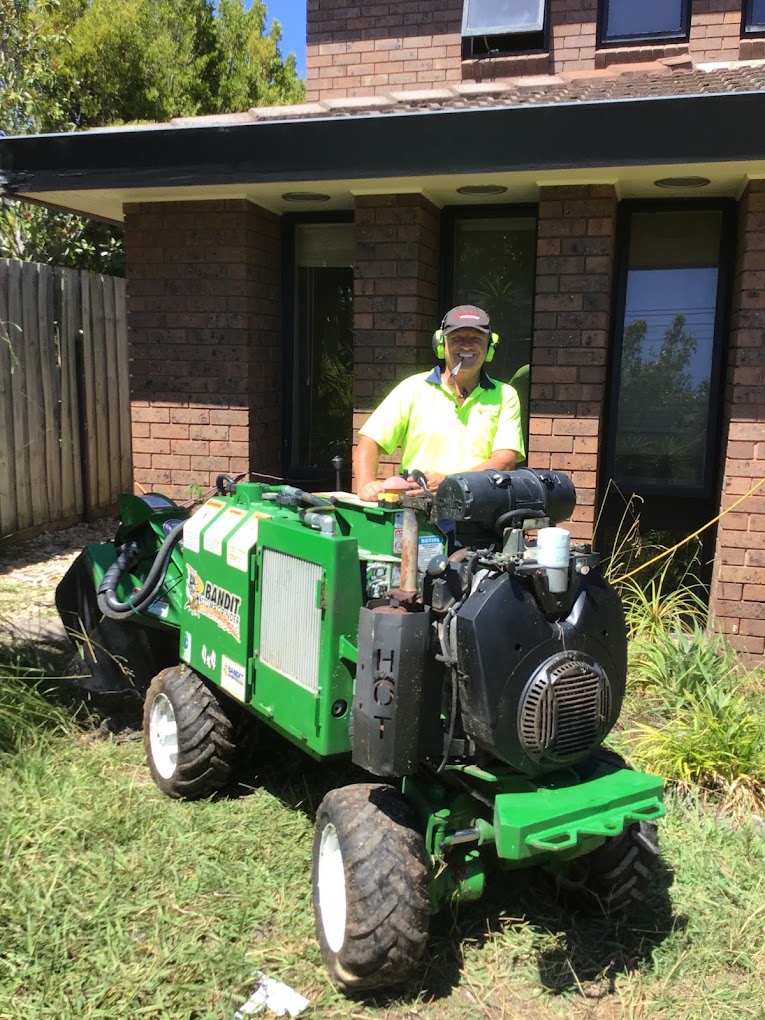
After tree removal, dealing with the leftover stump can be a hassle. Our stump removal and grinding services efficiently eliminate stumps, allowing you to reclaim your space. We use state-of-the-art equipment to grind stumps down to ground level, ensuring a smooth and safe landscape. Our stump grinding process prevents regrowth and eliminates tripping hazards, making your property safer. We also offer root removal services to address any remaining underground issues.
Stump removal is an essential service for maintaining the safety and aesthetics of your property. Leftover stumps can pose tripping hazards, attract pests, and interfere with landscaping and construction projects. Our stump removal services are designed to eliminate these issues, creating a safe and attractive environment for your property. We use advanced stump grinding equipment to efficiently remove stumps of all sizes, grinding them down to ground level or below.
Our stump grinding process begins with a thorough assessment of the stump and its surrounding area. We take into consideration factors such as the stump’s size, location, and the presence of underground utilities to develop a safe and effective removal plan. Our team uses specialized equipment to grind the stump into small wood chips, which can be used as mulch or removed from the site, depending on your preference.
In addition to stump grinding, we offer root removal services to address any remaining underground roots that could interfere with future landscaping or construction projects. Our root removal process involves cutting and extracting large roots, ensuring that the area is clear and ready for your next project. By removing both the stump and its roots, we prevent regrowth and create a clean, level surface.
Our stump removal services also include cleanup and site restoration. After grinding the stump and removing the debris, we fill the hole with soil and compact it to create a smooth, even surface. This ensures that your property remains safe and visually appealing. Whether you are planning to replant the area or use it for another purpose, our stump removal services provide a solid foundation for your next project.
Comprehensive Tree Services in Cranbourne
At Redback Tree Services, we offer a wide range of tree services to keep your property safe and aesthetically pleasing. From regular maintenance to complex tree care tasks, our team is equipped to handle it all. Our tree services include trimming, pruning, and health assessments to ensure your trees thrive. We also provide mulching and fertilization services to promote healthy growth. Our preventative care measures, such as cabling and bracing, help support weak branches and prevent potential hazards.
Tree trimming and pruning are essential components of our comprehensive tree services. Regular trimming helps maintain the shape and structure of your trees, preventing overgrowth and reducing the risk of branch failure. Our pruning techniques are designed to enhance the health and beauty of your trees, promoting proper air circulation and sunlight penetration. We also remove dead, diseased, or damaged branches to prevent decay and improve the overall appearance of your trees.
In addition to trimming and pruning, we offer tree health assessments to diagnose and treat any issues that may be affecting your trees. Our certified arborists use advanced diagnostic tools to identify problems such as nutrient deficiencies, pest infestations, and fungal infections. Based on our findings, we develop customized treatment plans to address these issues and restore the health of your trees. Our tree health services also include soil testing and root care, ensuring that your trees receive the nutrients and support they need to thrive.
Mulching and fertilization are important aspects of our tree care services. Mulching helps retain soil moisture, suppress weeds, and regulate soil temperature, creating a favorable environment for tree growth. We use high-quality mulch that provides essential nutrients and enhances the appearance of your landscape. Our fertilization programs are tailored to the specific needs of your trees, ensuring they receive the right balance of nutrients for optimal growth and development.
Reliable Emergency Tree Removal in Cranbourne
Storms and unexpected events can cause significant damage to trees, posing immediate risks to your property. Our emergency tree removal services in Cranbourne are available 24/7 to address urgent tree-related issues. We respond promptly to ensure your safety and minimize potential damage. Our team is equipped to handle fallen trees, broken branches, and any tree-related emergencies that require immediate attention. We prioritize your safety and work efficiently to restore normalcy to your property.
Emergency tree removal is a critical service for protecting your property and ensuring the safety of its inhabitants. Severe weather events, such as storms and high winds, can cause trees to fall or break, posing immediate hazards. Our emergency tree removal services are designed to respond quickly to these situations, providing prompt and effective solutions to minimize damage and restore safety.
Our emergency response team is available 24/7, ready to address any tree-related emergencies that may arise. When you contact us for emergency tree removal, we dispatch a team of experienced arborists to assess the situation and develop a plan of action. We use advanced equipment and techniques to safely remove fallen trees, broken branches, and other hazards from your property.
Safety is our top priority during emergency tree removal. Our team follows strict safety protocols and industry best practices to ensure the well-being of our workers, your property, and the surrounding environment. We are fully insured, providing you with peace of mind knowing that you are protected in the event of any accidents or damages.
In addition to removing fallen trees and branches, we also offer cleanup and site restoration services to address any debris and damage caused by the emergency. Our team removes all tree debris from your property, leaving it clean and safe. We also assess any remaining trees for potential risks, providing recommendations for preventative care to avoid future emergencies.
Why Choose Redback Tree Services in Cranbourne?
Experienced Arborists
Our team of certified arborists brings years of expertise to every job, ensuring top-quality care for your trees.
Comprehensive Services
From tree removal to pruning, we offer a full range of tree care solutions tailored to your specific needs.
Advanced Equipment
We use the latest tools and techniques for efficient and safe tree services, ensuring the best outcomes.
Customer Satisfaction
Your satisfaction is our top priority, and we strive to exceed your expectations with every service, Please see our reviews on Google.
We are Insured
With 20 million public liability insurance, our clients can have peace of mind knowing that their property and assets are protected.
Safety First
Our Arborists are trained in safety procedures and have all the necessary protective gear to perform the task safely without any risk.
Call Redback Tree Services for your Tree Care Needs in Cranbourne
Contact Redback Tree Services in Cranbourne today for all your arborist and tree care needs. Let us help you maintain a safe, beautiful, and healthy landscape. Our team is ready to assist you with any tree-related concerns, ensuring your property remains in excellent condition year-round.
Tree Removal Services Cranbourne
Tree and arborist services right across the Melbourne area
Redback Tree Services and Arborist Services also provide tree removal, stump removal, tree pruning,
or any other tree or shrub service in the below near by suburbs
- Ashburton
- Ashwood
- Aspendale Gardens
- Balwyn
- Beaconsfield
- Bentleigh
- Black Rock
- Blackburn
- Bonbeach
- Brighton
- Camberwell
- Canterbury
- Cheltenham
- Clayton
- Dingley Village
- Ferntree gully
- Glen Iris
- Glen waverley
- Hallam
- Hampton
- Hawthorn
- Keysborough
- Mount waverley
- Mulgrave
- Murrumbeena
- Ringwood
- South Yarra
- Springvale
- St Kilda East
- Templestowe
- Toorak
- Moorabbin